Repairs related to alignment
Ball joints, control arms, inner and outer tie rods, wheel bearings, trailing arms and related serviceable components.
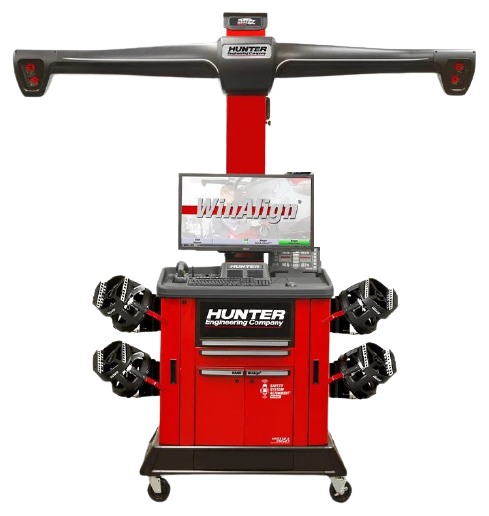
Hunter precision alignment equipment measures wheel geometry. Standard checks whether the vehicle is ready to adjust, explains conditions that can limit the result and provides before and after readings on jobs the system can report.
A pull, a steering wheel that is not centred or uneven wear may involve toe, camber or caster. Tire condition, ride height, worn parts, brake drag or collision damage can also contribute. The measurement is the starting evidence, not a shortcut around inspection.
Steering and suspension repairs are separately inspected, estimated and authorized. Alignment is not used to hide worn or damaged parts.
Ball joints, control arms, inner and outer tie rods, wheel bearings, trailing arms and related serviceable components.
Vehicle size, setup, rack capacity and available adjustment points determine acceptance.
The printed result identifies measured angles and any condition that remains outside specification.
Vehicle fit is confirmed before booking. Passenger vehicles, selected light trucks and alignment equipment are shown without implying that every vehicle can be accepted.
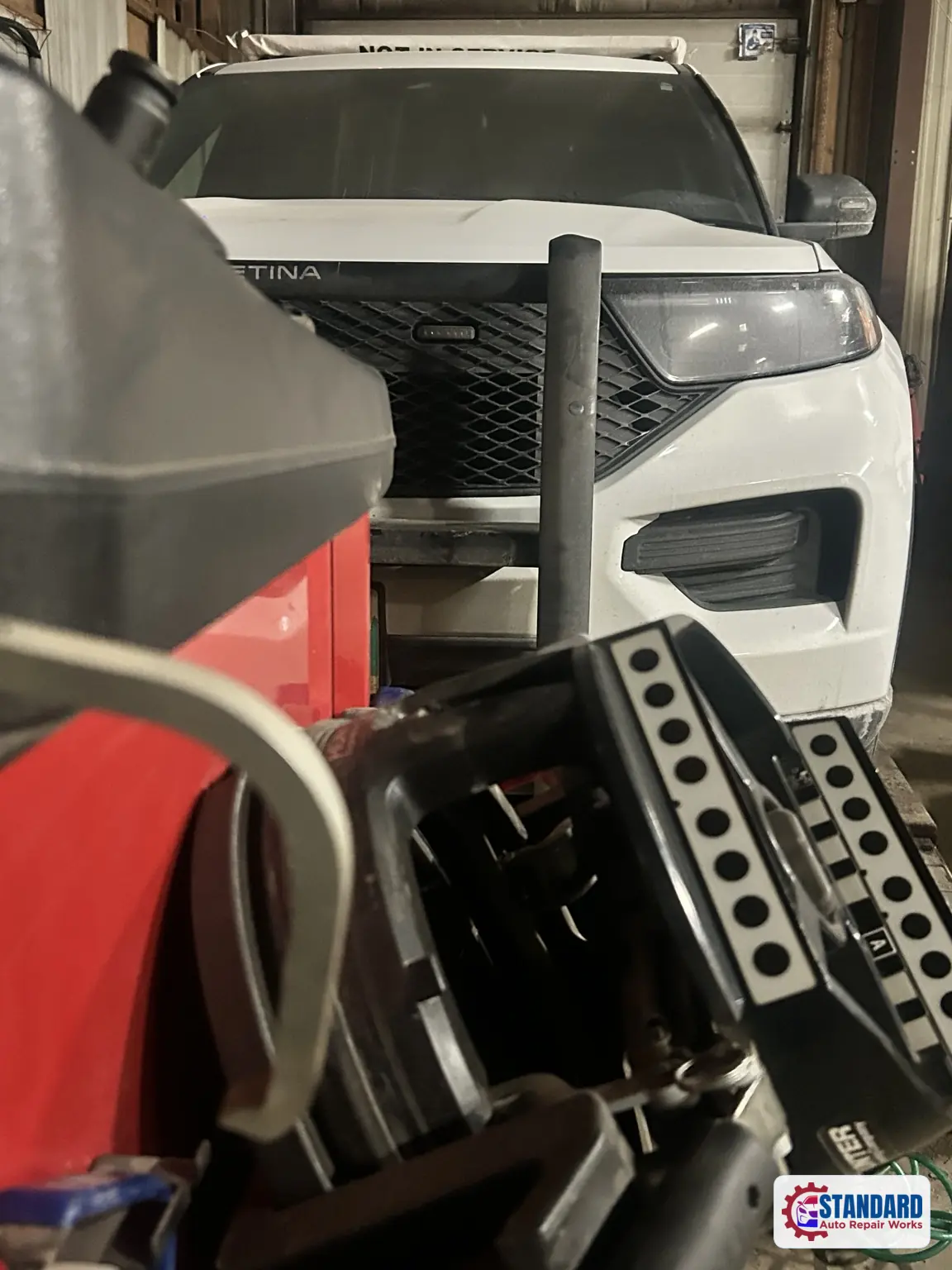
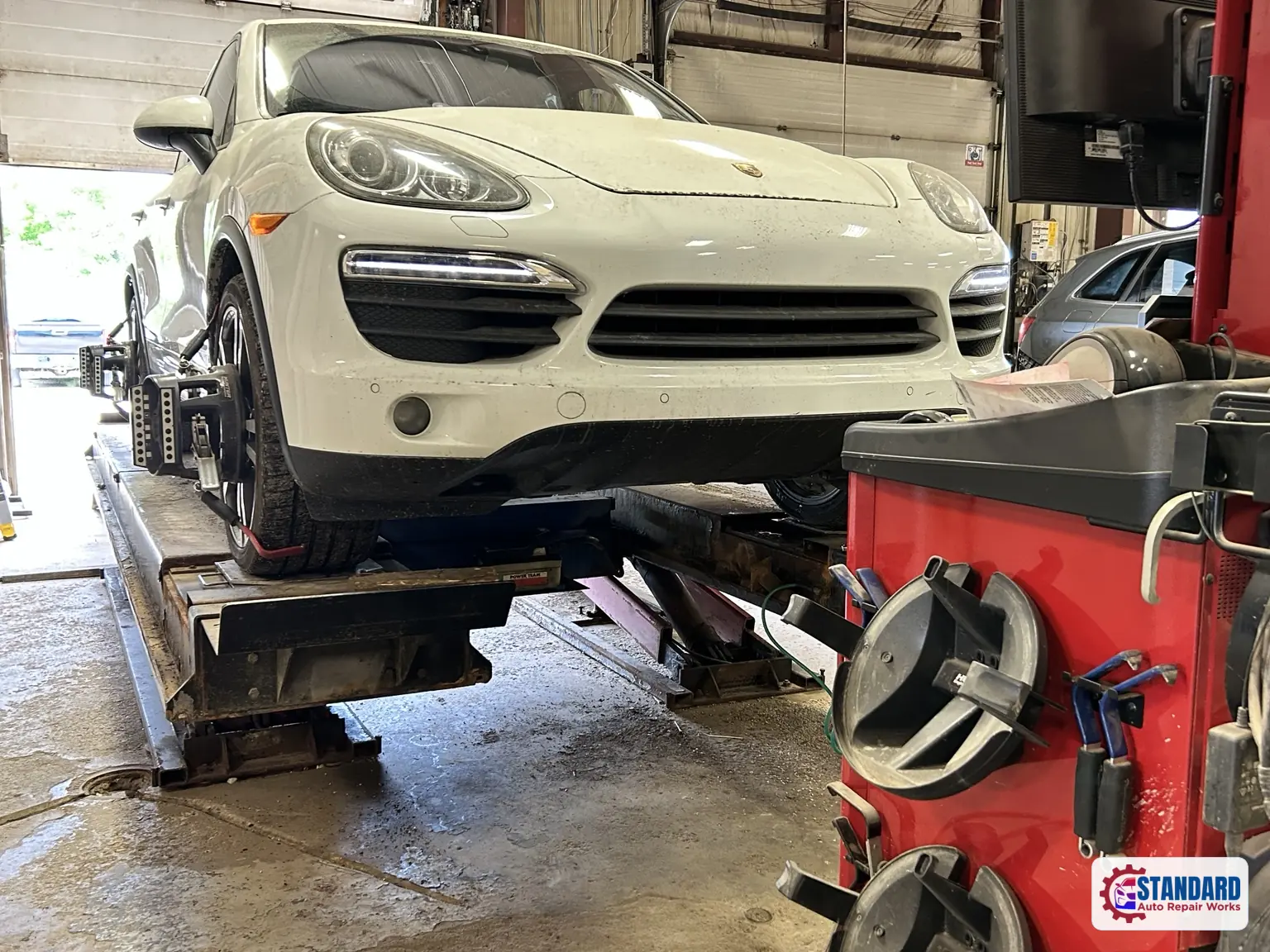
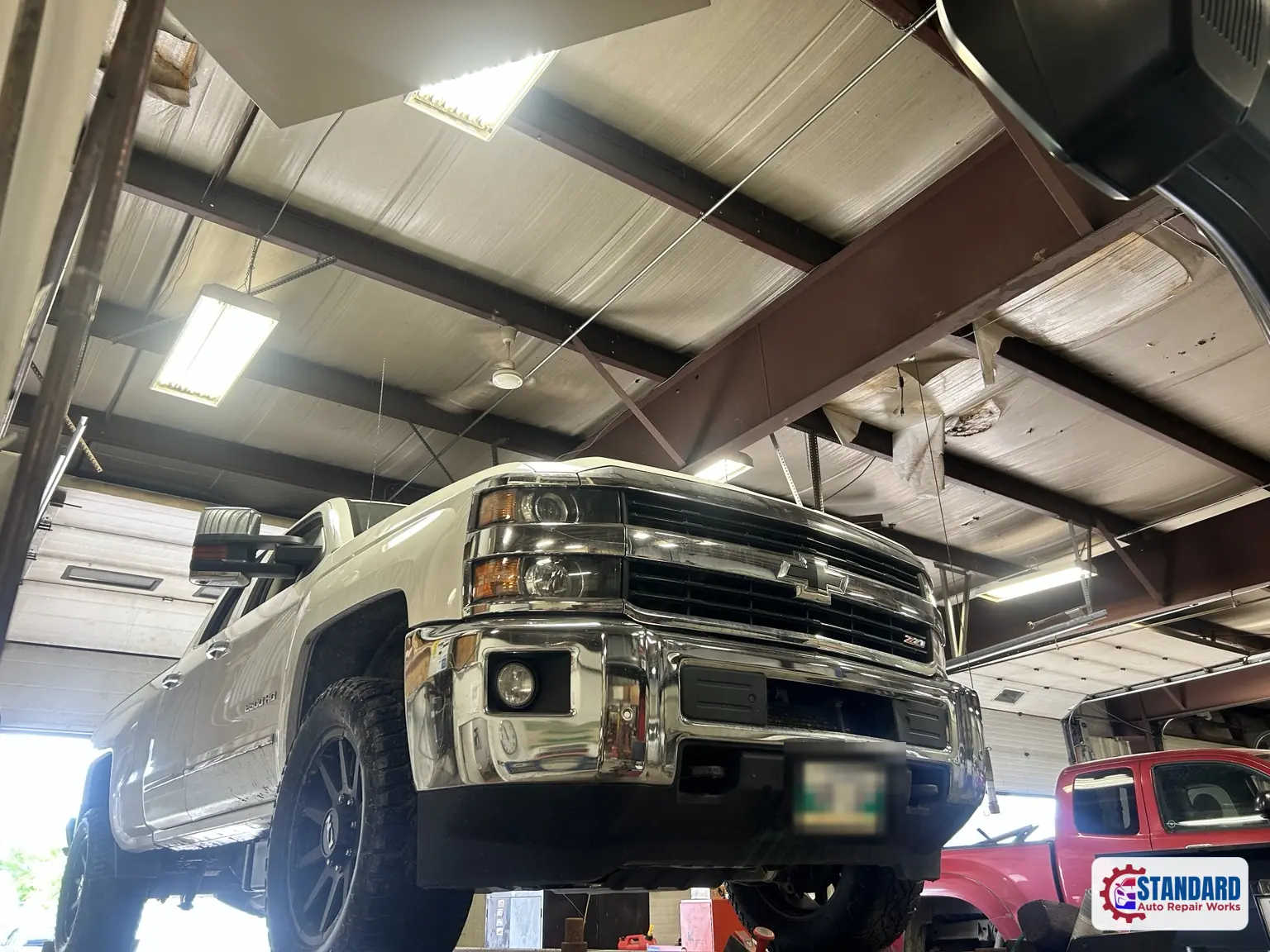
Large or difficult vehicles can consume substantially more bay and technician time. Standard’s acceptance standard protects safe setup, practical workflow and a commercially sensible repair.
Year, make, model, configuration, modifications, wheel setup and intended report.
Tires, wheels, ride height and worn or damaged components that can limit alignment.
Available angles are adjusted through the correct procedure and serviceable hardware.
Read the report and note any condition that remains out of range or cannot be adjusted.
Hunter database coverage, rack capacity and adapter requirements must match the exact vehicle. Model year alone does not establish acceptance.
No. Tire construction or condition, brake drag, road crown, ride height, worn parts and collision damage can also affect tracking. Measurements and inspection findings determine what the vehicle needs.
Selected 1500 and 2500 series trucks with single rear wheels may fit Standard’s normal alignment program. Acceptance depends on size, weight, configuration, wheel and tire setup, rack fit and expected labour. It is not a rule based on legal vehicle class. Dually and larger applications are outside the normal program.
Selected vehicles from the 1950s onward, including classic and muscle cars, can be assessed. Speak with the shop first so specifications, adjustment points, wheel setup, ride height and equipment capacity can be established.
Yes, when Standard’s alignment equipment can accept the vehicle. The four wheel alignment report does not replace the Body Integrity inspection, structural measurements or BIIC completed by a licensed Body Integrity station.
Include the year, model, reason for the visit and any paperwork the service must provide.