Brake noise or pedal change
Grinding, squealing, pulsation, pulling or a warning light deserves a proper inspection.
A warning light, leak, vibration or change in how the vehicle drives can have more than one cause. We begin with the authorized inspection or diagnostic time, then explain the findings and estimate before replacing parts.
A fault code is one clue. Inspection and testing build the repair plan.
The conditions present when the concern occurs help determine which tests and service information are needed.
Grinding, squealing, pulsation, pulling or a warning light deserves a proper inspection.
A scan retrieves information. Diagnosis tests what is causing the condition.
Tell us what you observed and whether the vehicle is safe to drive.
CV axles, hubs, bearings, wheels and other driveline parts can create similar symptoms.
Major or unusual work is accepted after evaluating the vehicle, diagnosis, parts path, programming requirements and bay time.
Passenger vehicles, SUVs, vans and selected light trucks are our normal program. Engine, transmission and differential work requires an intake decision before scheduling.
General examples from the Standard Repair bays. The right starting step depends on the vehicle and the concern.
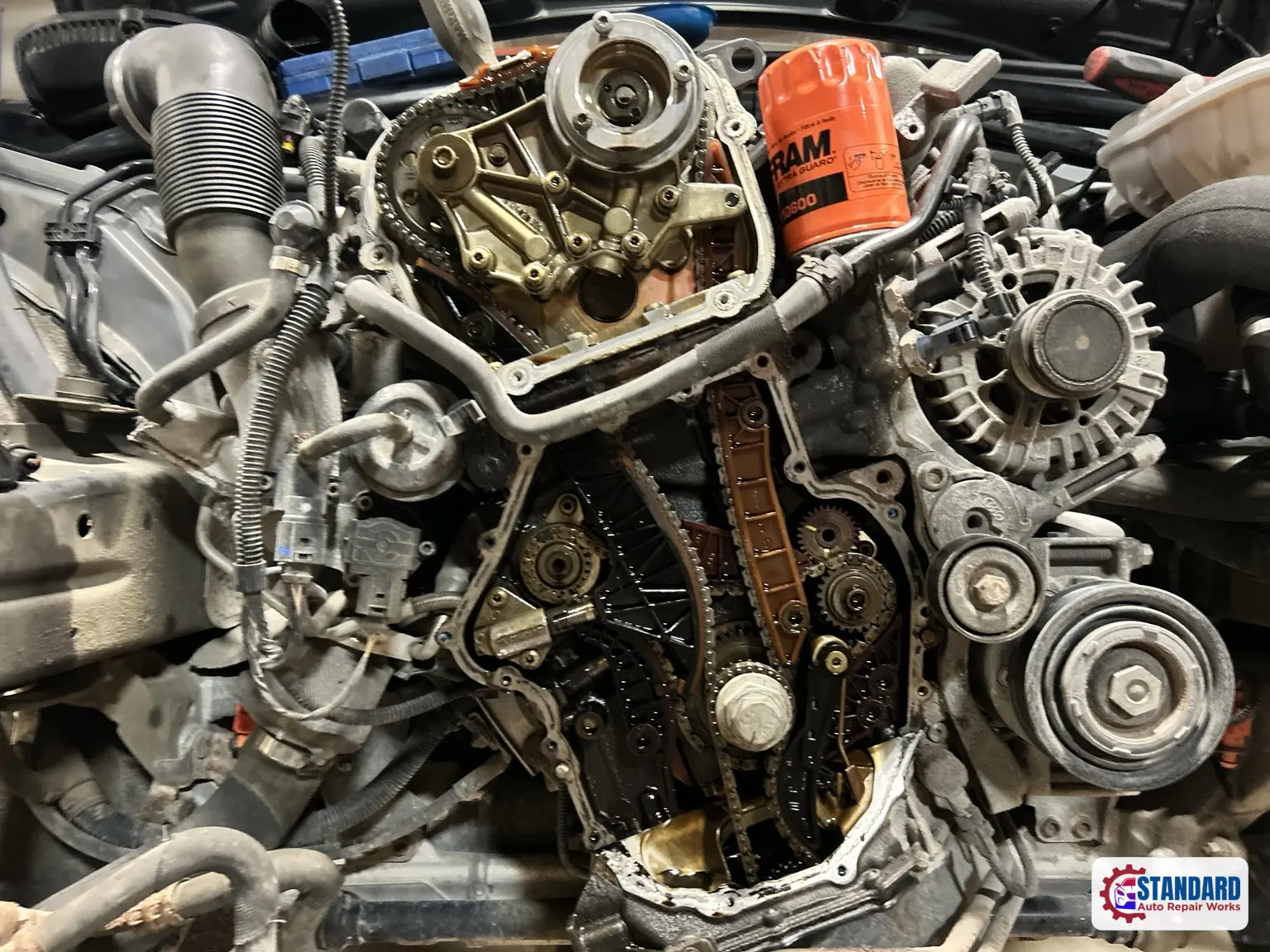
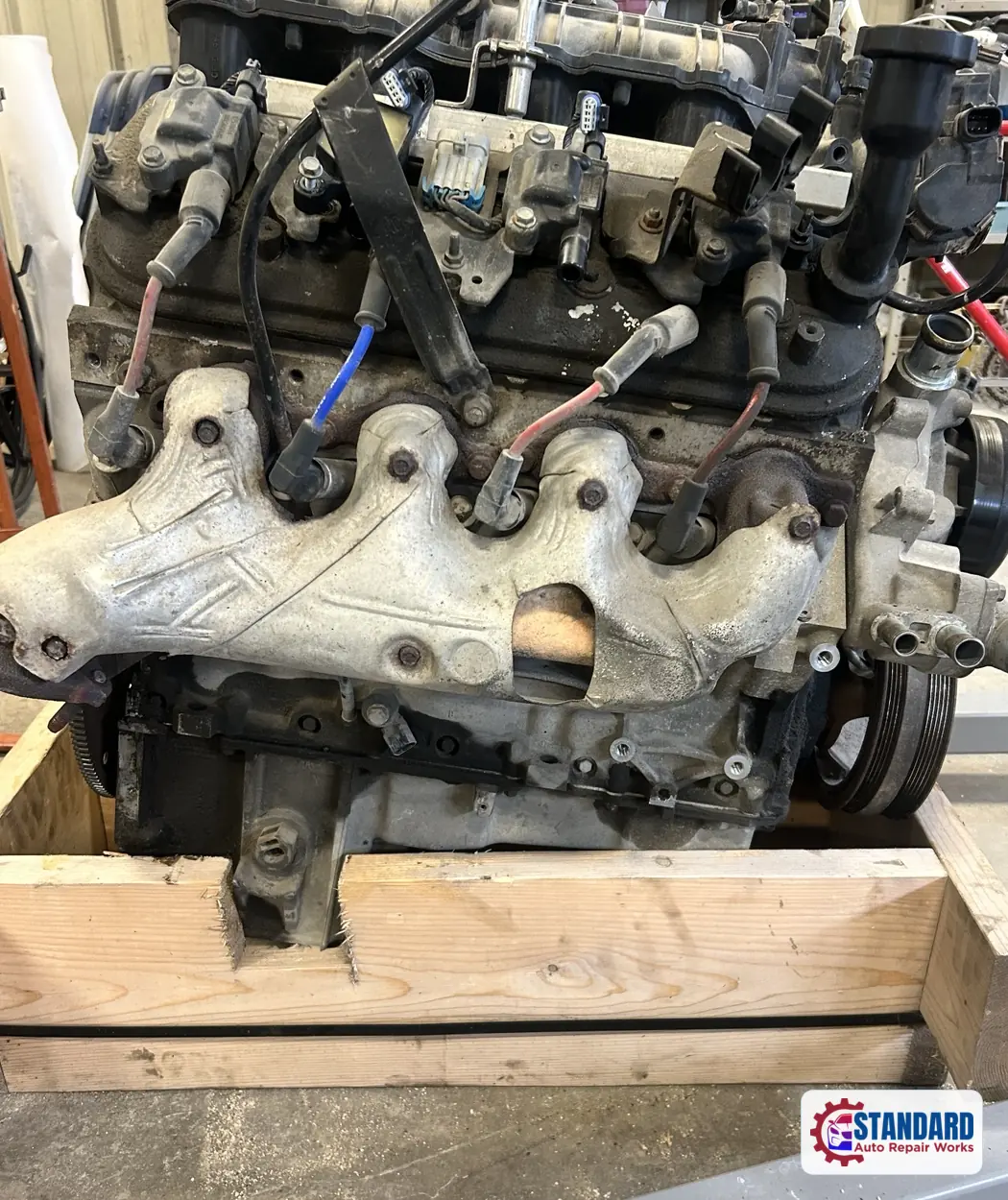
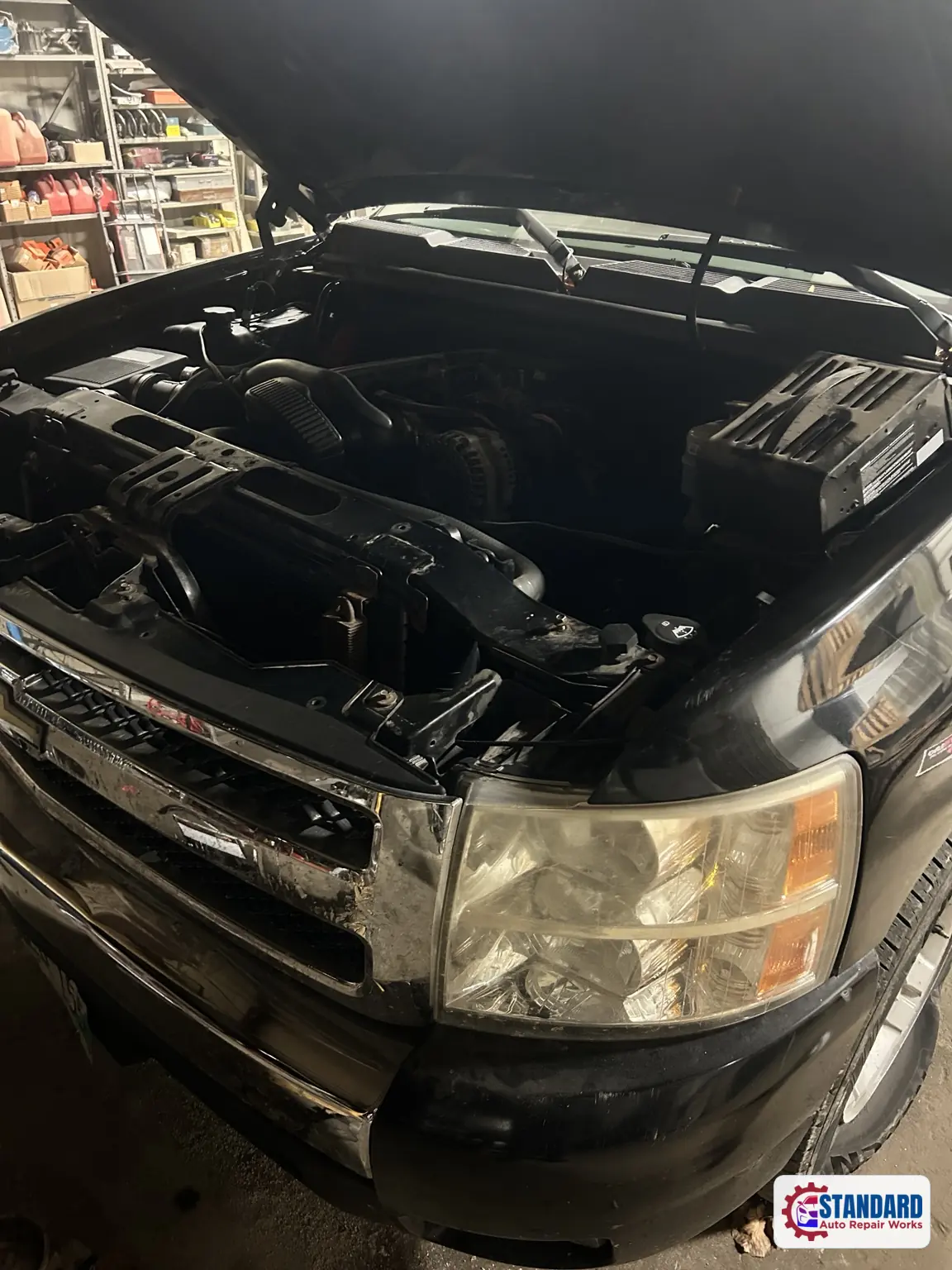
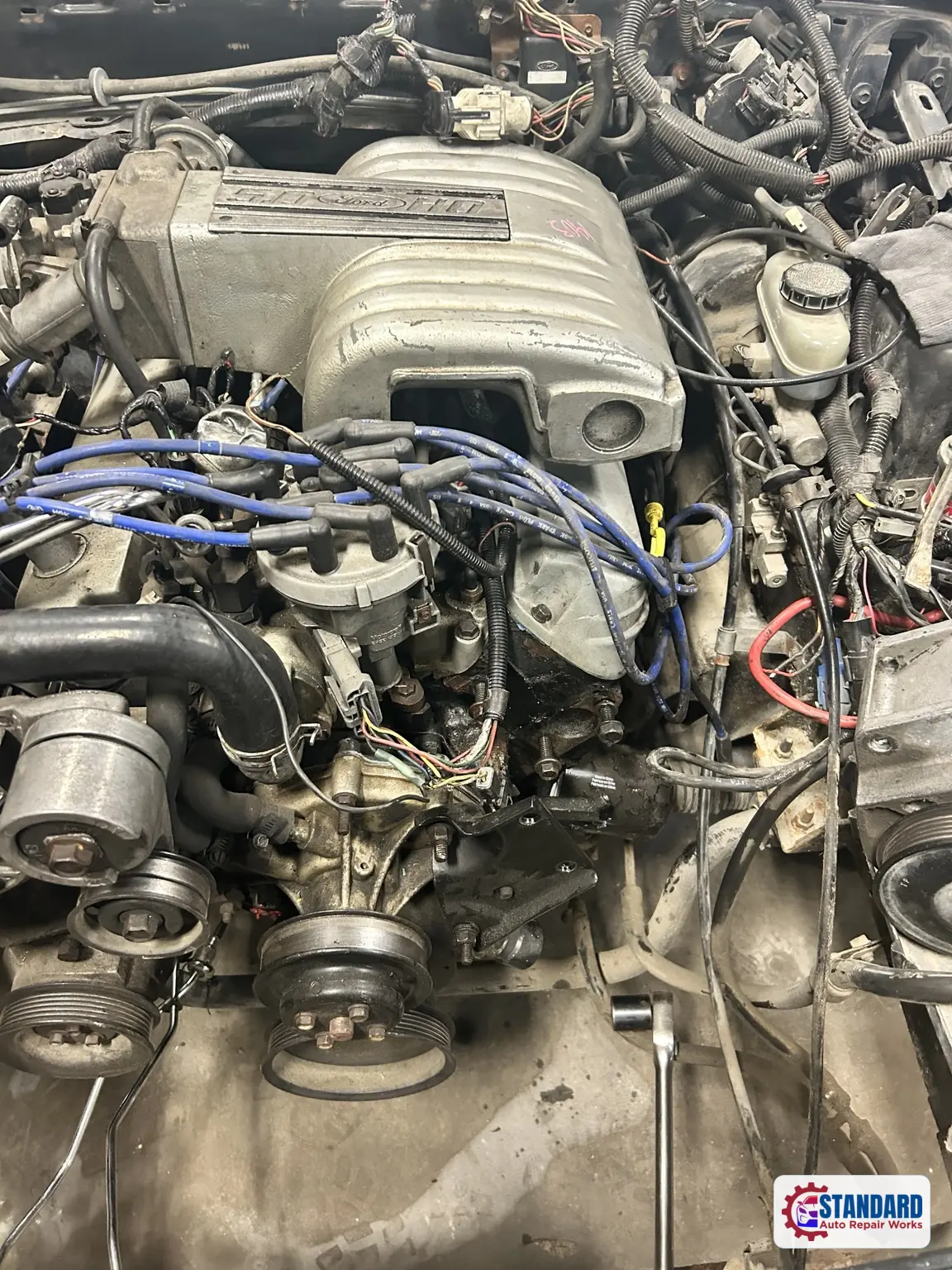
We record when it happens, warning lights, recent work and what outcome you need.
Inspection, scanning and diagnosis are different scopes. We explain what is being approved.
The findings, recommended repair, parts path and known risks are described before more work begins.
Approved work is completed, then rechecked through the appropriate scan, measurement or road test.
The repair order should distinguish the diagnostic finding from the operation being quoted.
A code or symptom is a starting point, not permission to replace parts without testing.
Complex engine, transmission or differential jobs can use separate diagnosis, decision and repair stages.
The estimate identifies the supplied part, workmanship and outside supplier responsibilities that apply.
A scan report, a diagnosis and a completed repair are separate parts of the mechanical process.
No. A code identifies a system or condition the vehicle detected. Diagnosis uses testing and service information to identify the likely cause and repair path.
Selected installations may be accepted after evaluating compatibility, condition, source, warranty, programming and supporting parts. An intake decision is required before scheduling.
For selected work. The Parts and Accessory Installation page explains the supply options, acceptance checks and warranty responsibilities for customer supplied items.
Include the year, model, reason for the visit and any paperwork the service must provide.